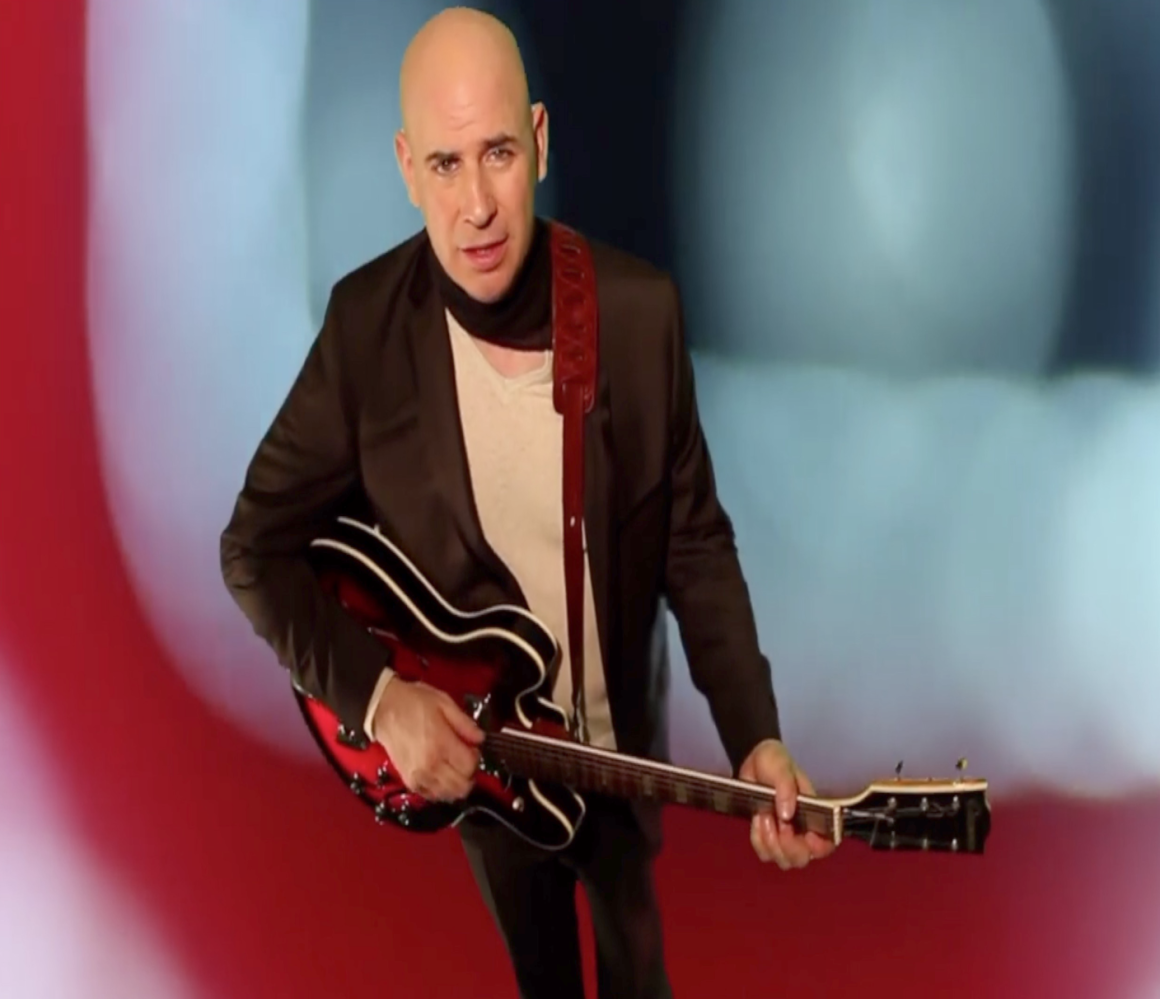
First discovered through the soft-rock authenticity and gentle melancholy of his single “Inside Out,” Irish singer-songwriter Sean MacLeod marries the timeless warmth of classic pop melodies with the harmonic curiosity of a PhD in composition.
Blending rich guitar arrangements, subtle microtonal textures, and philosophical reflections on modern isolation, he crafts music as a serene sanctuary designed to brighten everyday life.
We sat down with him for an exclusive interview.
You recently completed a PhD in Musical Composition. How did this deep dive into music theory and academic research reshape your approach to crafting direct, melodic songs?
I don’t think it really helped with crafting melodic songs. My main approach to singwriting has not changed much and it has mostly in influenced by my listening to classic pop music since I was a child. Listening to the Beatles, Motown and music that is very melody focused and I have been playing clssdical piano since I was 7 so a lot of thode classical influences find there way into most of my songs. What I explored in my PhD was more to do with tuning systems and microtones which in a sense allowed me to add another harmonic or sonic layer to the arrangements
“Inside Out” stands out with its brooding guitars, driving indie-rock groove, and powerful expressiveness. What was the original spark or emotion behind this track?
Musically I dint know what the inspiration was it just came as it did but I guess the production was more toward a grunge Nirvana/ Radiohead feel. Lyrically however the song was mistly influenced by a number of things mainly the influence of capitalism and technoligy in how we make music and consume it and how that effects the induvidual culturally and I suppose spiritually. I mean are we become more human or more technological through these influences.
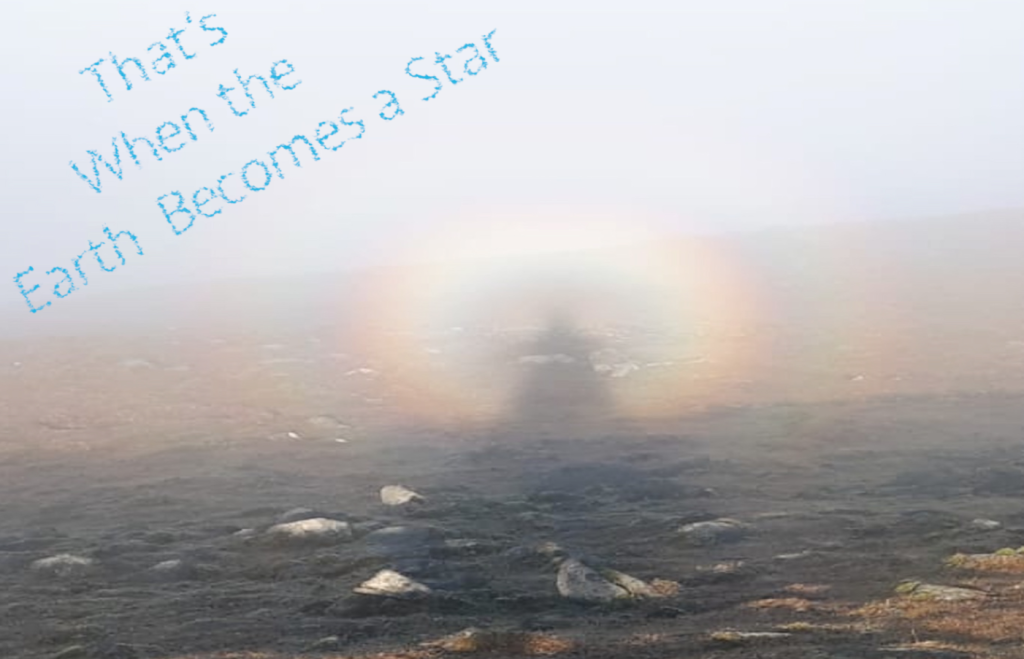
Your album That’s When the Earth Becomes a Star combines accessible pop melodies with heavy themes like alienation and hyper-individualism. How do you strike a balance between an immediate hook and a philosophically dark lyric?
I think a lot if pop music deals with deeper subject matters. The Beatles Strawberry Fields Forever and those type of songs or Bowie or the Smiths deal with ideas of lonliness, alienation or the human condition and that is mostly the pop music I am drawn to, pop songs with possibly more going on underneath the pop sheen.
You returned in 2026 with two distinct albums—one focused on songwriting and the other exploring experimental soundscapes (We Don’t See That We Don’t See). Why was it important for you to split these two creative visions into separate works?
The more experimental album was mostly focused on different tunings and microtonal music with similar lyrucal themes while the more accessible I deliberately removed the expetimental aspect to a large extent and but kept the same themes regarding hyper-individualism and transformation. Both albums were written during my time studying for the PhD.
Your work draws on everything from grunge and Britpop to contemporary classical music and subtle microtonality. How do you weave complex harmonic ideas into a song without losing the casual listener?
Well I split the more experimental mudic from the more conventional and I try to keep the essence of it all within a pop frame work. I usually only norrow idea that I can adapt into a pop format. If I dont find the song fun or melodic myself I usually just leave it.
With over three decades of writing and performing since your early days with Dublin’s Cisco, what keeps your drive fresh and pushes you to explore new artistic territory today?
Essentially, when I pivk up a guitar and a new idea vomes just from messing around I think theres a nice idea and I wonder jow it will come out. Thats the main reason but also I like the craft and like seeing how I can bend and shape the 3 min pop song.
The new record questions identity, community, and consumerism in an increasingly disconnected society. Do you believe music still holds the power to offer genuine connection or resistance against modern isolation?
Yes I do but it really depends on how music is engaged with. I think the more technological it becomes the more it moves away from being music and I font think thats healthy. Its like a play with people watching people on a stage and that has a very vital energy. Cinema while engaging lacks thst vitality and the more ut becomes more computer generated tge more that human connection gets lost.
Your influences span from The Beatles and David Bowie to Blur and The Stone Roses. How does your grounding as an Irish singer-songwriter colour this rich lineage of rock and pop?
That’s more or less the music I grew up with so its the musical language I feel best able to express myself. I enjoy and study lots of mysic but the musicbof the Beatles, Bowie etc is where I feel most comfortable. But I dont think there is much point reproducing that. I like to add to it too but at the same time if the song is justva simple pop song that makes people”s lives more enjoyable even for just 3 mins then that’s good enough fir me.
As a songwriter, composer, and producer, how do you know when a track has reached its final, definitive form?
I think it’s an artistic intuition. It’s the same as how you know an idea is worth developing. You just feel that it is. In fact the track Inside Out when I first mixed it it didn’t feel quite right and I went back a few months later and just did a slight remix on it, the radio edit version, and in an hour of mixing it just sounded better. There’s not much difference but one sounds good and the other sounds ok even though its the sane song and same recordings just the mix is slightly different but at the same time some rough mixes if songs I hear it if my own songs sound better to me on some level. Not necessarily better than the finished mixes but there is some that they have that makes them more charming or real or authentic.
If listeners take away just one central thought or feeling after walking through your music what would you hope it to be?
That for a few minutes their lives are more enjoyable. That’s all. That’s what it ultimately cones down to for me when I listen to music. Am I happy, enjoying this moment regardless of lyrics, the tuning, the production. If it doesn’t make you happy turn it off. 🙂
Follow Sean Macleod:
https://www.instagram.com/seanmacleod_music_
https://www.facebook.com/SeanTMacLeod
https://www.youtube.com/@SeanTMacLeod